


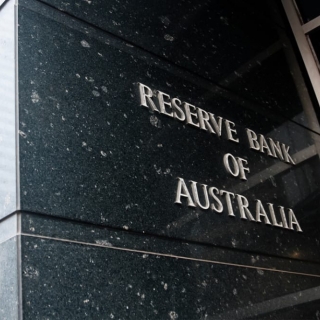
The Reserve Bank of Australia (RBA) kept its benchmark interest rate unchanged at 3.6% for the third consecutive year at its final meeting on Tuesday. The decision was unanimously adopted by the nine-member board amid a combination of resurgent inflationary pressures and a still-tight labor market. In its statement, the RBA emphasized that its next move would depend heavily on incoming economic data, and that it needed more time to assess the strength and persistence of inflationary pressures. Following the decision, the Australian dollar weakened to around US$0.6616, while the three-year government bond yield fell to around 4.06%.
The Australian economy is currently operating near full capacity, with unemployment near record lows and inflation back above the upper end of its 2–3% target. Consumers, however, remain cautious: real per capita spending is flat, and the household savings ratio is rising slightly as many families seek to rebuild their financial cushion. This complicates the outlook for 2026. The financial market is pricing in a nearly 50/50 chance that the RBA's next move could be a rate hike as early as May, while many economists were previously predicting at least one more rate cut. Major institutions like Goldman Sachs, UBS, and Barrenjoey are now in line with the market, viewing the RBA's next move as more likely a hike, not a cut.
The RBA also faces conflicting global dynamics. Australia is on track for one of the shortest easing cycles among developed economies, cutting rates by only about 75 bps in six months, and even starting cuts later than other central banks. Meanwhile, in the United States, market participants are increasing bets that the Fed will cut rates for a third consecutive time, driven by political pressure and signs of a weakening labor market. This policy divergence has contributed to a major selloff in Australian bonds and a widening yield premium over other government bonds. Domestically, recent data has shown weaker-than-expected economic growth, but high labor costs and capacity utilization—plus the removal of electricity subsidies—have the potential to boost inflation again in the upcoming CPI report. All of this makes the RBA's future decisions even more complex, given its dual mandate: maintaining inflation within the 2–3% range and maintaining a healthy and sustainable labor market. (az)
Source: Newsmaker.id
Stephen Miran, a Federal Reserve governor whose term ends at the end of January, said Thursday that he is looking for 150 basis points of interest-rate cuts this year to boost the U.S. labor market. ...
Federal Reserve Vice Chair for Supervision Michelle Bowman outlined significant changes to bank supervision and regulation during a speech at the California Bankers Association Bank Presidents Seminar...
Further changes to the Federal Reserve's short-term interest rate will need to be "finely tuned" to incoming data given the risks to both the U.S. central bank's employment and inflation goals, Richmo...
Richmond Federal Reserve Bank President Tom Barkin said the monetary policy outlook remains in a fragile balance given the conflicting pressures of rising unemployment and persistently high inflation....
The US Federal Reserve agreed to cut interest rates at its December meeting only after a highly nuanced debate about the current risks facing the US economy, according to minutes from the two-day meet...
Oil prices stabilized on Thursday (February 12th), as the market reassigned a risk premium to US-Iran tensions despite US inventory data showing swelling domestic supplies. This movement confirms one thing: geopolitical headlines are still more...
Gold prices weakened slightly on Thursday (February 12th), as more solid US employment data reduced market confidence in an imminent Federal Reserve interest rate cut. The strong employment data prompted market participants to shift expectations of...
The Hang Seng Index reversed its downward trend in Hong Kong on Thursday (February 12th), weakening by around 0.9% to around 27,000 after a strong session earlier. This decline halted the momentum of the short term rally, as investors began to...